Finding the best foot roller can make a simple at-home recovery routine more comfortable and consistent. The right design can target tight arches, sore heels, and tired feet without taking up much space.
We compared these 10 options by roller design, materials, portability, comfort, and intended use so you can choose a practical match for daily relief, post-workout recovery, or occasional relaxation.
Best 10 Foot Rollers Picks for 2026
Deep-Relief Wooden Roller

- Five rows target the sole from heel to toe
- Wooden build with a non-slip base
- Portable manual design for home or desk use
Best For: Broad, firm foot coverage and daily plantar fasciitis support
Therapy-Ready Compact Roller

- Ridged surface focuses on arches and heels
- Compact six-inch rubber design
- Usable warm or cold
Best For: Portable recovery, physical therapy, and post-workout use
Portable Acupressure Roller

- Very lightweight at four ounces
- Ergonomic cylindrical design follows the arch
- Portable for home, office, gym, or travel
Best For: Targeted arch and heel massage on the go
Simple Dual-Zone Roller
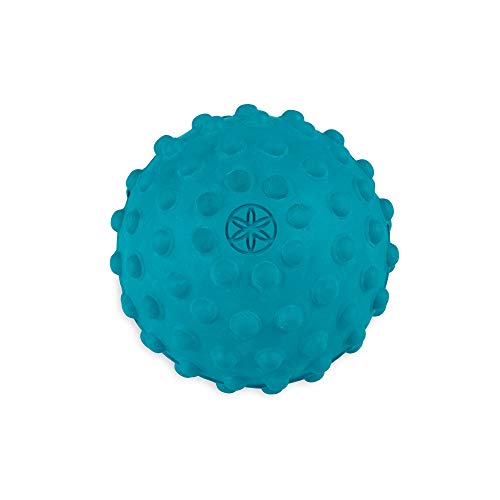
- Textured zones target arch, heel, and ball
- Lightweight 3.8-ounce design
- Compact for home or office use
Best For: Simple, focused manual foot massage
Classic Wooden Relief

- 1,000+ ridges and 48 raised nodes
- Polished Schima Superba wood
- Anti-slip pads for stable use
Best For: Durable, textured foot massage at home
Three-Level Massage Kit

- Includes roller and two massage balls
- Three approaches to massage pressure
- Storage bag supports portability
Best For: Customizable foot massage routines
Everyday Foot Log

- Lightweight 8.8-ounce plastic design
- Targets arch, toes, and heel
- Easy to keep under a desk or couch
Best For: Simple, convenient daily foot massage
Cold Therapy Pick

- Removable re-freezable ice roller
- Three massage modes for feet
- Quiet, non-slip design
Best For: Cold therapy plus massage for sore, tired feet
Portable Relief Pick
Ergonomic Acupressure Foot Roller

- Firm nodules target pressure points
- Lightweight and travel-friendly
- Waterproof, easy-clean surface
Best For: Portable arch and plantar fascia massage
Massage Set Pick

- Includes roller and two massage balls
- Washable rubber construction
- Cotton bag for portable storage
Best For: Customizable manual massage at home or after exercise
Deep-Relief Wooden Roller – Full-Sole Reflexology
For shoppers seeking substantial, manual foot rollers, the TheraFlow combines multiple textures with a sturdy wooden build. Its five rows are designed to work across the sole, from heel to toe, while the non-slip base supports controlled use at a desk or during a relaxation routine.
Best For: People who want broad, firm foot coverage for everyday soreness, arch discomfort, or plantar fasciitis support.
Pros:
- Five massage rows combine ridges and reflexology nubs for varied stimulation.
- Wooden construction provides a grounded, durable feel.
- Non-slip base helps keep the roller stable during use.
- Lightweight and portable at 1.65 pounds.
Cons:
- Its ridged and nubbed design may feel intense for sensitive feet.
- Manual rolling requires the user to control pressure and movement.
- It is not water resistant.
This is the most feature-rich choice for shoppers who prefer a larger, wooden foot roller with several massage textures and stable underfoot control.
Therapy-Ready Compact Roller – Heat and Cold Support
The THERABAND Foot Roller is a compact option among foot rollers, with a ridged rubber surface shaped for arch and heel work. Its small size suits travel, office, gym, or home use, and it can be used warm or cold for an added therapy option.
Best For: Users who want a small, reusable roller for foot massage, post-workout recovery, or physical therapy routines.
Pros:
- Ridged ergonomic surface targets arches and heels.
- Six-inch compact format fits easily in a bag or drawer.
- Compatible with warm or cold use.
- One-piece rubber construction is easy to rinse clean.
Cons:
- Its compact form provides less full-foot coverage than larger rollers.
- Manual rolling requires active pressure from the user.
- It is not water resistant, despite being rinse-cleanable.
Choose this model if portability and optional heat or cold therapy matter more than a larger multi-row massage platform.
Portable Acupressure Roller – Arch and Heel Relief
The BESKAR is one of the more travel-friendly foot rollers, using a compact cylindrical design for targeted arch and heel massage. Its ergonomic shape follows the foot’s natural curvature, making it convenient for use at home, in the office, at the gym, or in a training room.
Best For: People who prioritize portability and focused acupressure-style rolling for plantar fasciitis, heel pain, or sore arches.
Pros:
- Compact, four-ounce design is easy to carry.
- Ergonomic shape is designed to follow the foot arch.
- Supports targeted deep-tissue and reflexology-style massage.
- Suitable for use in several locations, including work and the gym.
Cons:
- Its compact size is intended for targeted areas rather than broad full-sole coverage.
- The acupressure-focused design may feel firm for sensitive users.
- It is not water resistant.
This is a practical pick for anyone who wants a lightweight foot roller that can travel easily and concentrate on the arch and heel.
Simple Dual-Zone Roller – Compact Arch Massage
The Gaiam Restore Ultimate is a straightforward option among foot rollers, pairing a compact format with a dual-zone textured surface. It is designed for manual rolling under the arch, heel, and ball of the foot, making it suitable for home or office routines.
Best For: Shoppers seeking a simple, lightweight roller for focused arch, heel, and ball-of-foot massage.
Pros:
- Dual-zone textured roller targets several areas of the foot.
- Compact design works well at home or in an office.
- Lightweight at 3.8 ounces for easy handling.
- Manual format needs no charging or power source.
Cons:
- It has fewer listed features than the multi-row wooden models.
- Manual rolling requires the user to apply and adjust pressure.
- No warranty is listed in the supplied details.
Consider this Gaiam model when you want a lightweight, uncomplicated foot roller for routine plantar fascia and foot-area massage without a bulky setup.
Classic Wooden Relief – Polished Arch Foot Roller
This manual foot roller is a sturdy option for at-home plantar fascia care, with a curved wooden profile, textured ridges, and raised nodes that target the sole. Its compact, non-electric design works well at a desk, on the couch, or while traveling.
Best For: Shoppers seeking a durable wooden foot roller with an ergonomic arch shape and stable, quiet use.
Pros:
- More than 1,000 precision ridges and 48 raised nodes provide textured stimulation.
- Curved design supports contact across the sole and arch.
- Polished Schima Superba wood offers a durable, comfortable surface.
- Anti-slip pads help keep it steady on tile, wood, or carpet.
Cons:
- Manual rolling requires you to control the pressure and movement.
- The 1.9-pound wooden construction may be less convenient than lighter plastic options.
Choose this model if you prefer a substantial wooden roller with pronounced texture and a stable base. It is designed for foot massage and myofascial use, but pressure should be adjusted to your comfort.
Three-Level Massage Kit – Roller and Ball Set
This foot rollers kit expands a basic foot massage routine with a textured roller, a high-density lacrosse ball, and a spiky massage ball. The three tools let you vary pressure and focus on the arch, heel, and sole without using electricity.
Best For: People who want multiple manual tools for broad rolling, focused trigger-point work, and gentler stimulation.
Pros:
- Includes a foot roller, lacrosse massage ball, and spiky massage ball.
- Offers three massage-pressure approaches for different areas and preferences.
- Contoured arch design helps position the roller under the foot.
- Lightweight kit includes a storage bag for home, work, or travel.
Cons:
- Multiple pieces require more storage than a single roller.
- As a manual home-grade kit, it does not provide powered massage.
This is the most flexible choice of the three when you want to switch between rolling and targeted ball work. The included tools make it easier to customize pressure, while the portable format supports regular use away from home.
Everyday Foot Log – Original Circulation Roller
The Foot Log is a straightforward plastic foot roller for people who want to roll the arch, toes, and heel throughout the day. Its manual design fits under a desk or beside a couch, making it convenient for short foot-massage sessions.
Best For: Users looking for a simple, lightweight roller for routine foot tension relief and reflexology-style massage.
Pros:
- Simple roll-under-the-foot design is easy to use periodically.
- Supports massage across the arch, toes, and heel.
- Lightweight 8.8-ounce construction is easy to move between locations.
- Designed and assembled in the USA.
Cons:
- Plastic construction may feel less substantial than a wooden roller.
- It is not water resistant.
- It provides one roller rather than a multi-tool kit.
Consider the Foot Log if convenience and simplicity matter most. Its compact, lightweight profile is well suited to keeping a foot roller nearby for regular manual massage, with pressure controlled by how firmly you roll.
Cold Therapy Pick – 3-in-1 Icing Foot Roller
If you want foot rollers with more than standard pressure massage, this 3-in-1 model combines silicone rollers with a removable, re-freezable ice roller. It is designed for plantar fascia, arch, heel, and tired-foot relief, while its non-slip base helps keep the massager stable during use.
Best For: People who want to combine cold therapy with quiet foot massage, especially after walking, running, standing, or other activities that leave feet sore.
Pros:
- Removable ice roller provides cold therapy for pain, swelling, and inflammation.
- Three massage modes target the plantar fascia, acupoints, arches, and heels.
- Quiet ball bearings and a non-slip silicone base support comfortable home or office use.
- Can be used by runners, high-heel wearers, athletes, and people who stand or sit for long periods.
Cons:
- The ice roller should not be frozen for more than two hours at 0°F (-18°C).
- Cold therapy may be more than needed if you only want a basic manual roller.
This is the most feature-rich option in the group, particularly for shoppers who value cooling relief alongside massage. Its extra function and freezer step make it less straightforward than a conventional foot roller, but the quiet operation and stable base add everyday practicality.
Portable Relief Pick – Ergonomic Acupressure Foot Roller
For a compact option among foot rollers, the VORNNEX model uses firm nodules and ridges to apply targeted pressure beneath the arches, heels, toes, and calves. Its lightweight design makes it easy to keep at home, in the office, or in a travel bag.
Best For: Shoppers seeking a small, firm manual roller for portable arch massage, foot fatigue, and plantar fasciitis discomfort.
Pros:
- Ergonomic nodules and ridges target reflexology points and areas of tension.
- Compact 6.5-inch design weighs 6.5 ounces for convenient portability.
- High-density silicone provides a firm grip and durable use on smooth surfaces.
- Waterproof surface is easy to clean after repeated use.
Cons:
- The firm construction may feel intense for users who prefer a softer massage.
- It is a single roller rather than a multi-tool massage set.
This model is a practical choice when portability and firm pressure matter most. It offers a straightforward, no-power approach to foot and arch massage, though shoppers wanting cold therapy or multiple massage tools should consider another option.
Massage Set Pick – Roller and Ball Therapy Kit
This foot roller set expands beyond a single tool with a roller, lacrosse ball, and spiky massage ball. The washable rubber pieces provide different ways to apply rolling and deep-tissue pressure for foot fatigue, arch and heel discomfort, post-exercise soreness, and plantar fasciitis-related tension.
Best For: People who want several manual massage tools for customized pressure at home, after exercise, or while traveling.
Pros:
- Includes a foot roller, lacrosse ball, and spiky ball for varied massage techniques.
- Rubber construction balances softness and firmness while remaining washable and durable.
- Compact design and included cotton storage bag support portability.
- Useful for foot fatigue, post-exercise soreness, heel spurs, and plantar fascia discomfort.
Cons:
- The set is not water resistant, according to the product details.
- Multiple pieces require more storage and setup than a single roller.
- Manual massage requires the user to control pressure and rolling motion.
This kit offers the broadest range of pressure options in the roundup, making it useful for shoppers who do not want to rely on one massage surface. Its compact storage bag improves portability, but the three-piece format is less streamlined than a standalone foot roller.
How We Picked These Foot Rollers
We focused on Foot Rollers that are designed for common concerns such as plantar fascia tightness, arch soreness, heel discomfort, neuropathy-related sensitivity, and general foot fatigue. The selection includes wooden rollers, compact massage balls, textured designs, cooling options, and sets that offer more than one way to apply pressure.
Our comparison emphasizes useful differences rather than treating every roller as interchangeable. We considered the roller’s shape, surface texture, stability, ease of cleaning, portability, and how easily users can control pressure. Because comfort varies considerably, products with adjustable pressure or multiple massage surfaces can be more versatile, while simpler rollers may be easier to use consistently.
Quick Comparison
| Best For | Look For |
|---|---|
| Daily arch massage | A stable roller with moderate texture |
| Plantar fasciitis routines | Controlled pressure and a comfortable rolling surface |
| Cooling relief | A roller designed for chilling or icing |
| Travel or office use | A compact, lightweight design |
| Different pressure preferences | A set with multiple tools or surfaces |
Key Buying Factors for Foot Rollers
Surface and Pressure
Smoother rollers are generally a gentler starting point, while ridges, bumps, and acupressure-style textures provide more concentrated stimulation. If your feet are particularly tender, choose a design that lets you begin with light pressure and increase gradually.
Stability and Control
A roller should stay predictable as you move your foot across it. Wider bases, shaped frames, and non-slip features can make seated use easier. A handheld massage ball may offer more precise targeting but requires greater control.
Materials and Maintenance
Wooden rollers are durable and easy to store, but they may feel firm. Plastic or rubber surfaces can be easier to wipe clean and may provide a softer sensation. Check whether the product is suitable for cooling, washing, or regular sanitizing before purchasing.
Size and Portability
For desk drawers, gym bags, or travel, compact models are usually the most convenient. Larger rollers may feel more stable and provide a broader massage area, but they take up more storage space.
Who Should Buy Which Foot Rollers?
Choose a simple wooden or textured roller if you want an affordable tool for regular arch and sole massage. A softer or more moderately textured model may suit beginners or anyone who dislikes intense pressure. Select a cooling roller if cold therapy is an important part of your comfort routine, and consider a multipiece set if different areas of your feet need different levels of targeting.
People managing persistent pain, numbness, swelling, or suspected injury should use caution and consult a qualified healthcare professional before adding massage. A foot roller can complement a broader care plan, but it should not replace diagnosis or treatment.