If you’re comparing leg compression boots, this CINCOM Air Compression Recovery System review focuses on the real buyer question: does it deliver enough recovery value to justify the bulk and setup?
In short, it can be a smart pick for targeted lower-body relief.
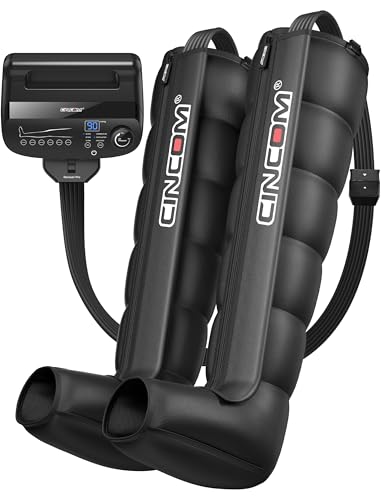
CINCOM Recovery System Review Summary
CINCOM Air Compression Recovery System is built for people who want structured, at-home compression therapy for sore legs, swelling, and circulation support.
It stands out with six independently controlled air chambers, 11 intensity levels, and three massage modes, making it a strong fit for athletes, older adults, and anyone who spends long hours on their feet.
What makes this model appealing is its balance of customization and convenience.
The zippered boot design is easier to live with than many strap-heavy systems, while the 15-, 20-, and 30-minute timers help keep sessions controlled.
If you want a leg recovery device that feels more purposeful than a basic massager, this one is designed with that use case in mind.
That said, it is not for everyone.
This is a relatively bulky recovery device, and the stronger pressure settings may be too intense for sensitive users.
If you want a simple relaxation gadget, a foot massager may be more practical.
But if your goal is serious lower-body recovery support, the CINCOM Recovery System has the feature set to make sense.
Scorecard
| Category | Score | Why It Matters |
|---|---|---|
| Compression Coverage | 9.0 | Six independently controlled air chambers let the boots target thighs, calves, and feet for more focused lower-body recovery. |
| Pressure Customization | 9.0 | Eleven intensity levels and a wide pressure range make it easy to dial in gentle comfort or stronger recovery sessions. |
| Massage Modes | 8.0 | Sequence, Circulation, and Combination modes add useful variety for warm-up, recovery, and relaxation routines. |
| Circulation Support | 9.0 | The design is aimed at circulation support, swelling reduction, lymphatic drainage, and leg soreness relief. |
| Ease of Use | 8.0 | Zippered sleeves are simpler than strap-heavy systems, which should help with quick on-and-off use at home. |
| Safety and Session Control | 8.0 | Built-in 15/20/30-minute timers help keep sessions controlled and reduce the chance of overuse. |
| Recovery and Mobility Fit | 9.0 | The product is positioned for athletes, seniors, diabetic users, and post-surgery recovery, making it broadly useful for lower-leg care. |
Bottom line: this is a feature-rich compression boot system that is best for users who want a more serious recovery tool than a casual massage device.
Key Features and Specifications of CINCOM Recovery System
Below is the core specification set that matters most for buyers comparing compression boots and leg massagers.
| Spec | Detail |
|---|---|
| Brand | CINCOM |
| Model | CM-098A |
| Product Type | Air compression leg massager / recovery boots |
| Air Chambers | 6 |
| Compression Levels | 11 |
| Pressure Range | 50–150 mmHg |
| Massage Modes | Sequence, Circulation, Combination |
| Timer Options | 15, 20, 30 minutes |
| Dimensions | 15 x 5 x 17 inches |
| Weight | 9.92 pounds |
| Date First Available | August 1, 2024 |
| Certification Note | Global Recycled Standard-certified with at least 50% recycled material |
| Safety/Material Note | Promoted as using safer chemicals for human health and the environment per certification |
The headline feature here is the six-zone compression layout.
That matters because it lets the system work more like a proper recovery device instead of a one-size-fits-all massager.
The 50–150 mmHg pressure range is also meaningful: lower settings should suit users seeking comfort or circulation support, while higher settings are better for buyers who want stronger compression after training or long days standing.
Three mode choices are enough for most people.
Sequence mode is the most therapy-like, Circulation mode is likely the most useful for steady recovery sessions, and Combination mode adds variety for users who do not want the same routine every time.
The built-in timer is another practical detail, especially if you plan to use the device regularly and want automatic shutoff for safer sessions.
Pros and Cons of CINCOM Recovery System
Here’s the practical CINCOM Air Compression Recovery System pros and cons breakdown from a buyer’s point of view.
| Pros | Cons |
|---|---|
| Highly customizable compression with six zones and multiple pressure levels | Bulkier than a simple handheld massager or pad |
| Useful for circulation support and lower-leg soreness | May be more device than casual users need for occasional relief |
| Zippered sleeves should be easier to put on than strap-based designs | Compression boots can feel intense at higher settings |
| Three modes and timer options make sessions flexible | Best results likely depend on proper fit and consistent use |
| Broad audience fit for athletes, older adults, and recovery-minded users | Not a substitute for medical treatment or professional advice |
What stands out most is that the strengths are all about real-world usability: more precise zones, straightforward wear, and good session control.
The main drawback is simply that this is not a lightweight, grab-and-go product.
Buyers should expect a purpose-built recovery system, not a minimalist wellness gadget.
How the 6-Zone Compression System Works
The six independently controlled air chambers are the main reason this model can feel more effective than cheaper compression devices.
Instead of inflating the entire boot in a simplistic pattern, the system can apply pressure across different areas of the leg in a way that better mimics a professional recovery massage.
For the buyer, this design choice matters in three ways.
First, it can create a more natural pumping sensation that may help move fluid and reduce the heavy-legged feeling after exercise or travel.
Second, it gives the device more flexibility for thigh, calf, and foot targeting.
Third, it makes the system easier to match to your recovery goal, whether that is post-workout relief, gentle circulation support, or relaxation before bed.
The biomimetic concept is especially relevant for users who want something more structured than vibration-based massagers.
Compression therapy is different from surface-level massage, and the CINCOM Recovery System leans into that difference well.
Best Pressure Settings for Recovery vs Comfort
With 11 compression levels and a 50–150 mmHg range, this system gives you room to experiment.
The important part is not chasing the strongest setting right away.
For most users, a lower or mid-level setting is the smarter place to start.
For comfort-focused use, lower settings are usually the better choice, especially if you are new to compression therapy or have sensitive legs.
These sessions should feel like steady, rhythmic pressure rather than an aggressive squeeze.
For recovery-focused use, moderate to higher settings may be more effective after workouts, long shifts, or travel.
Athletes and regular exercisers are more likely to appreciate the stronger end of the range, but only if the fit is right and the feeling remains tolerable.
One practical note: compression that is too intense can feel uncomfortable fast.
That is why the multiple levels are valuable.
A good compression device should let you build up gradually rather than locking you into one fixed intensity.
Setup, Fit, and Daily Use
The zippered sleeve design is one of the most user-friendly choices in the product.
Compared with systems that rely heavily on straps, zippers usually make it easier to put the boots on, get aligned, and start a session quickly.
That is a genuine convenience advantage for people who plan to use the system multiple times per week.
However, fit still matters.
Compression boots work best when they sit snugly enough to direct pressure properly without being overly tight.
If the fit is sloppy, the system may feel less effective or uneven across the leg.
That is why buyers should pay attention to sizing and make sure the product matches their leg dimensions and intended use.
In daily life, the weight and bulk are the tradeoff.
At just under 10 pounds, this is not something you will toss into a gym bag and forget about.
It is better suited to a home recovery corner, bedroom, or living room setup.
In exchange, you get a more capable recovery tool with repeatable, timer-based sessions.
Best use pattern: keep it accessible, use it consistently, and choose a mode and pressure level that you can comfortably sustain.
What to Know About Timers and Safety
The built-in 15-, 20-, and 30-minute timers are more important than they might seem.
Compression devices are most useful when used in controlled sessions, and a timer helps prevent overdoing it while also making the device easier to integrate into a routine.
This is one of the reasons the CINCOM Recovery System feels thoughtfully designed.
You do not need to babysit the session, and that can make the product more appealing for people using it after work, after training, or before sleep.
Still, safety should stay part of the buying decision.
Compression therapy is not a substitute for medical care, and anyone with circulation issues, neuropathy, or a recent surgery should confirm that compression is appropriate for their situation.
Sensitive users should also avoid starting at high pressure.
The strongest settings are not necessarily the best settings.
Good rule of thumb: start low, test fit, and increase gradually only if the experience remains comfortable.
Who Should Buy CINCOM Recovery System?
The CINCOM Air Compression Recovery System is a good fit for buyers who want purpose-built lower-body recovery rather than a general massage gadget.
It makes the most sense for people who already understand the value of compression therapy and want something they can use regularly at home.
- Athletes and fitness enthusiasts who need post-workout recovery support for calves, thighs, and feet.
- People who stand or walk all day and want relief from heaviness, soreness, or swelling.
- Seniors or mobility-conscious users who want a structured, timer-based recovery routine.
- Diabetic users or rehab-focused buyers who are specifically looking for circulation support, with medical guidance as needed.
- Buyers who dislike strap-heavy gear and prefer a more straightforward zippered design.
Who should skip it?
If you only want occasional relaxation, a compact foot massager, heated leg wrap, or portable calf sleeve may be enough.
If you are sensitive to pressure, you may also prefer a gentler recovery device with fewer intensity demands.
Best buyer fit: someone who wants consistent, focused compression sessions and values control over comfort settings.
Who Should Use Compression Boots
Compression boots are best for users who want a repeatable recovery ritual.
That usually includes runners, cyclists, gym-goers, older adults with tired legs, and anyone recovering from long travel or demanding work shifts.
They can also be a good option for people who simply prefer a stronger, more structured sensation than traditional massage tools provide.
These boots are less suitable for impulse buyers who are expecting a small, casual wellness device.
Compression therapy tends to work best when it is used intentionally, with proper fit and consistency.
If that sounds like you, this type of product can be very satisfying.
For buyers comparing categories, that distinction matters: the CINCOM Recovery System is not trying to be a broad full-body massage chair or a simple foot soother.
It is a lower-body recovery tool with a specific mission.
Best Alternatives to Consider
If you are comparing the CINCOM Recovery System with other Amazon-friendly options, here are the most relevant alternative product types and brands to look at:
- Air compression massage boots with remote control – worth considering if you want simpler operation and similar recovery benefits.
- Hyperice Normatec – a premium comparison point for buyers who want a well-known recovery brand.
- RENPHO leg massager – a popular alternative for shoppers comparing compression and comfort features.
- Portable compression calf sleeves – better for buyers who want a smaller and more travel-friendly option.
- Simple foot massager – the better value path if your priority is relaxation rather than full-leg compression.
The main tradeoff is clear: simpler products cost less in complexity, while the CINCOM Recovery System offers more structured therapy and better body coverage.
If you want boots that feel closer to a recovery tool than a relaxation toy, this model stays competitive.
Is CINCOM Recovery System Worth It?
Yes, for the right buyer. The CINCOM Air Compression Recovery System is worth considering if you want a customizable leg compression device for circulation support, swelling relief, or post-exercise recovery.
Its six-zone design, 11 levels of intensity, three modes, and timer-controlled sessions give it the kind of feature set that practical buyers actually use.
Where it wins is in focused recovery performance and usability.
The zippered design should be easier to manage than many strap-based competitors, and the range of pressure settings makes it suitable for both gentle and more aggressive sessions.
That versatility is a major plus for athletes, seniors, and recovery-minded users.
Where it loses ground is simplicity.
This is a bigger, more specialized product, and some casual users will find it unnecessary.
Also, high-pressure compression is not for everyone, and proper fit is important if you want consistent results.
If you need occasional comfort, look at a foot massager instead.
If you want a serious at-home compression device, this one is a solid buy.
Final verdict: the CINCOM Air Compression Recovery System is a strong option for buyers who want targeted lower-body recovery, good customization, and controlled sessions.
If that matches your needs, it is absolutely worth a close look.